
Understanding the Impact of Trauma on Menopause
CR
Understanding Trauma and Menopause
The passage into menopause is a profound threshold in a woman’s life, carrying shifts that touch both body and spirit. Hormones play their part, yet the deeper story often lives in how unhealed trauma shapes this transition. When the nervous system carries old imprints, the journey through menopause can feel heavier. By bringing awareness to the connection between trauma and menopause, we open the way for care that honors the whole woman, her body, her emotions, and her energy: allowing this phase to unfold with greater steadiness and strength.

What is Trauma?
Trauma speaks to the imprint left by experiences that felt overwhelming to the body, mind, or spirit. It may arise from moments of abuse, loss, accidents, or events that shook one’s sense of safety. These imprints often live on in the nervous system and the emotional field, shaping how a woman relates to herself and to life. As menopause arrives, the echoes of unresolved trauma can influence both body and mind, intensifying the changes and stirring deeper layers of emotion. Understanding this connection brings compassion and opens the door for true healing during this sacred passage.
The Menopausal Transition
Menopause marks the natural closing of a woman’s menstrual cycles, most often unfolding in the late 40s to early 50s, with perimenopause arriving as the gateway before it. During this time, the body shifts its rhythm, hormones fluctuate, and symptoms such as hot flashes, night sweats, and waves of emotion may rise. While these changes can feel intense on their own, the presence of unresolved trauma can deepen their impact. For some women, the imprints of the past amplify the physical and emotional weight of this transition, making the path through menopause feel heavier than it needs to be.

The Connection Between Trauma and Menopause
Research and lived experience both reveal a clear truth: women who have endured significant trauma often feel menopause more intensely. Hot flashes may burn hotter, moods may shift more sharply, and sleep may feel elusive. Trauma leaves an imprint in the body’s stress response. It keeps the nervous system on alert, even decades later, and when the natural changes of menopause arrive, that extra burden can amplify every symptom.
For women who have not carried as much trauma, or who have tended to their healing along the way, menopause often feels steadier. Their nervous system holds a wider capacity to adapt, and the body can flow through the changes with more ease.
Hormonal Fluctuations and Trauma
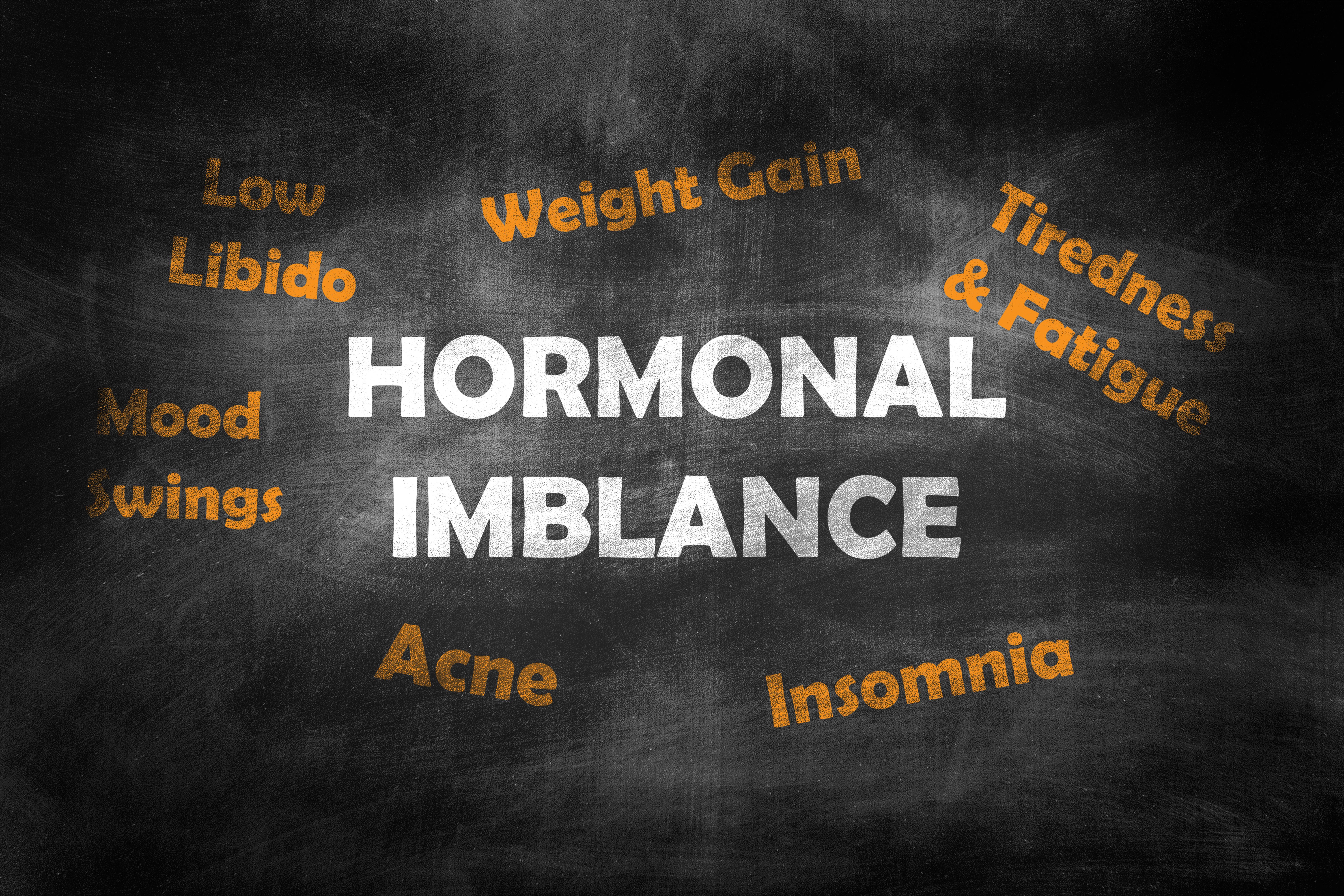
During menopause, the body undergoes significant hormonal changes, particularly in estrogen and progesterone levels. For women with a history of trauma, these fluctuations might trigger memories or emotional responses tied to past experiences, potentially leading to heightened stress and anxiety.
Strategies for Managing Menopause with a History of Trauma
This is not a story of inevitability—it is a story of possibility. Menopause can feel heavy when the weight of old wounds is still present, and it can open into wisdom and empowerment when those wounds are met with care. Practices such as EFT tapping, breathwork, therapy, energy healing, somatic awareness, and sacred daily rituals help the nervous system soften. They create space for letting go of what is ready to leave and for reclaiming vitality in this new season of life.
Menopause, then, becomes more than a physical transition. It becomes an initiation—a threshold into sovereignty, self-nurturing, and deeper wisdom. Every woman carries the power to walk through it with clarity and strength, no matter what came before.
Energy Healing for Menopause
Energy healing supports women through menopause by tending to what lies beneath the surface of symptoms. Hormonal shifts awaken old imprints, often stirring emotions, memories, and unprocessed experiences. Energy healing works directly with the body’s field, calming the nervous system, clearing stagnant patterns, and restoring flow where life force has felt blocked. In this way, hot flashes, mood swings, and sleep disruptions become less overwhelming, and the deeper wisdom of menopause can shine through. This form of healing creates space for peace, vitality, and sovereignty, allowing each woman to step into this passage with strength and clarity.
Providers
Healthcare providers play a crucial role in supporting women through menopause, especially those with a history of trauma. It’s essential for providers to create a safe space where women feel comfortable discussing their experiences. Comprehensive care should integrate physical health assessments with psychological support to address the multifaceted nature of menopause.
Conclusion
Menopause is more than a biological shift; it is an initiation into deeper wisdom and sovereignty. When we recognize how past trauma influences this transition, we reclaim the power to meet it with compassion and conscious care. By tending to body, mind, and energy through practices such as somatic awareness, energy healing, nourishing teas, and gentle daily rituals, women can soften the weight of old imprints and step into this phase with clarity and strength. Every woman holds the capacity to walk through menopause as a gateway — not into decline, but into a richer, more empowered expression of herself.