Shut Your Mouth: A Deep Dive into the Hidden Dangers of Mouth Breathing
CR
Shut Your Mouth: A Deep Dive into the Hidden Dangers of Mouth Breathing
You do it about 25,000 times a day, but are you doing it right? Breathing is the most fundamental act of life, yet so many of us are getting it wrong by bypassing the nose and using the mouth.
While it might seem like a harmless habit, chronic mouth breathing is a biological disaster. It affects everything from the shape of your face to your anxiety levels, and even your spiritual "charge." Here is the breakdown of why you need to close your mouth, and the "green swishes" that can help heal the damage.
The Body: Why the Nose Knows Best
Evolution designed your face with a clear division of labor: the mouth is for eating, and the nose is for breathing. When you switch them up, things go wrong.
The Filter: Your nose is a high-tech HVAC system. It filters, warms, and humidifies air before it hits your lungs. Mouth breathing sends cold, dry, dirty air straight to your delicate lung tissue, increasing the risk of asthma and infections.
The Magic Molecule (Nitric Oxide): This is the biggest loss for mouth breathers. Your sinuses produce Nitric Oxide (NO), a gas that sterilizes the air and opens up your blood vessels. When you breathe through your nose, you carry this gas into your lungs, boosting oxygen absorption by up to 18%. Mouth breathers completely miss out on this, living in a state of low-grade oxygen deprivation.
Face Shape: Chronic mouth breathing, especially in childhood, actually changes your skeleton. It leads to "Long Face Syndrome"—recessed chins, narrow jaws, and crooked teeth—because the tongue isn't resting on the roof of the mouth to hold the dental arch wide.
The Mind & Emotions: The Anxiety Loop
Ever notice that when you’re panicked, you gasp through your mouth? That link works both ways. Fight or Flight: Mouth breathing mimics the body’s stress response. It engages the upper chest and triggers the sympathetic nervous system, flooding your body with cortisol and adrenaline. It keeps you in a constant state of "fight or flight," leading to chronic anxiety and sleep disruption.
The ADHD Mimic: Because mouth breathing ruins sleep quality (causing snoring and sleep apnea), it often manifests as hyperactivity and lack of focus. Many cases of ADHD in children are actually undiagnosed sleep disorders caused by mouth breathing.
Brain Fog: Without that deep nasal breathing to stimulate the vagus nerve (which calms you down), the brain struggles to enter deep, restorative sleep states, leaving you groggy and unfocused.
The Spirit: Leaking Your Life Force
Ancient traditions noticed this thousands of years before modern science caught up. In Ayurveda and Traditional Chinese Medicine (TCM), the breath is the vehicle for your soul or energy. Prana and Qi: In Yoga and Ayurveda, Prana (life force) enters through the nose. The nose connects to the nadis (energy channels) that balance your body's energy. Breathing through the mouth is viewed as a "leak"—you are literally dissipating your vital energy and weakening your aura.
Depleting Ojas: Ayurveda speaks of Ojas, the subtle essence of vitality and immunity. Stress burns up Ojas. Since mouth breathing keeps your body in a constant stress state, it prevents you from building this deep spiritual reserve, leaving you feeling ungrounded and "dried out".
The Open Gate: In TCM, the mouth is the "gate" for the spirit. Leaving it hanging open is seen as a loss of will and containment. Closing the mouth seals your vessel, allowing you to cultivate internal power.
The "Mouse Wishes" (Green Mouth Swishes)
Mouth breathing dries out saliva, which causes your mouth to become acidic. This rots your teeth and inflames your gums. Here is how green algae can help:
Why Spirulina?
Spirulina is a blue-green algae packed with antioxidants. The Science: Studies show that a mouthwash containing 0.5% Spirulina significantly reduces dental plaque and gingivitis (gum inflammation).
The Benefit: It’s loaded with phycocyanin, which fights inflammation and helps remineralize teeth without the harsh chemicals found in store-bought mouthwash.
Why Chlorophyll?
Chlorophyll is the "blood" of plants.The Science: It acts as an internal deodorant and oxygenator. It creates an oxygen-rich environment in the gums that anaerobic bacteria (the bad kind that cause gum disease) hate.
The Benefit: It is excellent for neutralizing bad breath (halitosis) and healing wound tissue in the mouth.
DIY "Green Swish" Recipe
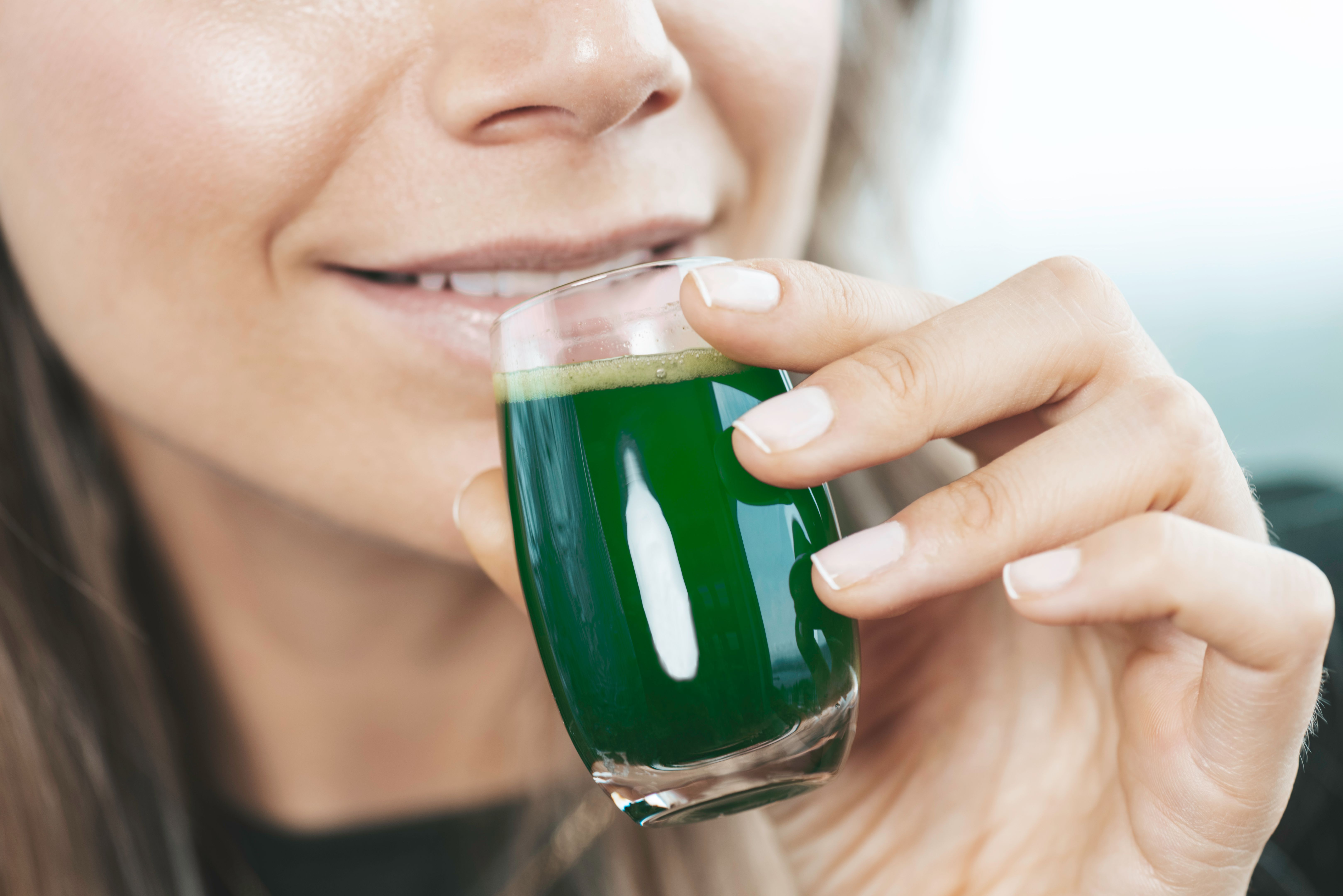
Skip the expensive bottles and make your own restorative rinse.
Ingredients:
1 cup distilled water
1/2 teaspoon Spirulina powder (or Liquid Chlorophyll)
1 drop Peppermint oil (optional for freshness)
Instructions:
Shake well in a glass jar.
Swish a small mouthful for 1 minute after brushing.
Spit it out! (It has pulled bacteria from your teeth, so don't swallow it).
Rinse with water to avoid temporary green teeth!
What We Can Do About It
Fixing your breath is the single most effective biohack for your health. Mouth Taping: It sounds scary, but it works. Using a small piece of surgical tape or specialized "MyoTape" at night trains your jaw to stay closed while you sleep. This forces nasal breathing and can drastically improve sleep quality. Note: Don't do this if you are drunk or nauseous.
Practice "Breathe Light": Based on the Buteyko Method, practice slowing your breathing down. Breathe so quietly that the hairs in your nose don't move. This builds up your tolerance to CO2, which actually helps deliver more oxygen to your brain.
Conscious Checks: Set a timer. Every hour, check in: Is my mouth closed? Is my tongue on the roof of my mouth? Is my belly moving when I breathe?
The Takeaway: Your mouth is for eating and speaking. Your nose is for breathing. By sealing your lips, you seal in your energy, oxygenate your body, and calm your mind.
The "Deep Dive" on Mouth Tape Safety and Toxicity
Since the skin on your lips is much thinner and more absorbent than the skin on your arm, and you are wearing this for 8 hours a night, the quality of the materials matters.
1. The "Toxicity" of Adhesives Most standard medical tapes (like the 3M Micropore often found in drugstores) use acrylate adhesives. While generally considered safe and hypoallergenic, they are synthetic.
The Risk: The primary "harm" from these tapes isn't usually systemic toxicity (poisoning), but mechanical irritation and contact dermatitis. Acrylates can strip the delicate lipid barrier of the lips when removed, leading to tearing, redness, or allergic reactions over time.
The Safer Alternative: Silicone-based adhesives or "gel" adhesives are considered the "cleanest" option for sensitive skin. They are non-traumatic (don't strip the skin layers upon removal) and are highly biocompatible.
2. Recommendations for "Less Toxic" / Safe Tapes If you want to avoid synthetic fibers and harsh glues, look for brands that use natural fabrics and gentler adhesives.
Best for "Natural" Materials (Bamboo Silk):
Dream Recovery or Dryft Sleep: These brands use organic bamboo silk rather than synthetic rayon or polyester. Bamboo is naturally antibacterial and softer on the skin. They use a medical-grade hypoallergenic adhesive that is generally gentler than drugstore paper tape.
Best for "Safety" & Beginners (Ventilated):
SomniFix: These strips are a gold standard for safety. They are latex-free, gluten-free, and hypoallergenic. Crucially, they have a mesh vent in the center. If your nose stuffs up completely during the night, you can still breathe through the small hole, which reduces panic and suffocation risk. This is the "least scary" option.
Best for Avoiding Lip Adhesive Entirely (The "Around" Method):
MyoTape: Designed by breathing expert Patrick McKeown. It does not cover your lips. It is a cotton elastic frame that goes around your mouth. The elastic tension gently pulls your lips together, but the adhesive never touches the lips themselves. This avoids the issue of "eating" adhesive or damaging lip skin entirely.
How to Mouth Tape: Protocols
There are two main ways to apply the tape. For safety and comfort, start with the Vertical Method.
Preparation (Critical Step): You must remove oils for the tape to stick, but you don't want to rip your skin off in the morning.
Wash and dry your face.
Wait 10-15 minutes to ensure skin is totally dry.
Pro Tip: Apply a very thin layer of lip balm or organic oil (like coconut) to the lips, then dab it off so just a trace remains. This prevents the tape from fusing to the delicate lip skin while allowing it to stick to the outer skin.
Method A: The "Vertical" Strip (Safest for Beginners) This involves placing a small piece of tape vertically (up and down) across the center of the lips.Why: It keeps the lips closed but leaves the corners of the mouth open. If you need to cough, sneeze, or vomit during the night, you can still open your mouth slightly or breathe through the sides. It is much less claustrophobic.
How: Take a piece of tape (about 1 inch). Fold over a tiny tab at the top so you have a non-sticky "handle" to rip it off easily in the morning. Place it right under your nose, down to your chin.
Method B: The "Horizontal" Seal (Advanced) This involves taping across the entire width of the lips.Why: It provides a perfect seal, ensuring no air leaks. This is often necessary for people who "puff" air out of the corners of their mouth.
Warning: Only do this if you are confident in your nasal breathing. Do not use this method if you have been drinking alcohol, feel nauseous, or have a blocked nose.
Method C: The MyoTape "Surround"How: Stretch the elastic cotton frame about 20-30%. Place it around the mouth while your lips are apart. When you relax your face, the elastic will pull your lips closed.
Why: You are free to open your mouth to talk or drink water, but the tape will passively pull it shut when you fall asleep.
Summary Recommendation for You
If your priority is non-toxic/natural, try Dream Recovery (Organic Bamboo). If your priority is safety/anxiety, try MyoTape (doesn't cover the lips). If your priority is cheap/accessible, use 3M Micropore (Paper Tape) from the pharmacy, but be aware the acrylic adhesive can irritate sensitive skin over time.