Herbal Teas: A Natural Ally in Menopause
CR
Understanding Menopause and Its Challenges
Menopause is a profound threshold in a woman’s life, marking the natural completion of the reproductive cycle. It is a biological process, yet it carries emotional, social, and spiritual dimensions that often remain unspoken. When the menstrual cycle comes to a close, usually between the ages of 45 and 55, a woman enters a new phase of living. Though natural, the experience can be layered with complexity and transformation.
What Happens in the Body
Menopause occurs when the ovaries slow their production of estrogen and progesterone, the hormones that govern menstruation and fertility. This shift can bring a wide range of physical changes, including hot flashes, changes in sleep patterns, weight fluctuations, and shifts in skin, hair, and bone health. Each woman’s experience is unique, some feel only subtle changes, while others encounter more pronounced waves of transition.
Emotional and Mental Dimensions
Beyond the physical, menopause often stirs emotional landscapes. Mood swings, anxiety, or moments of deep introspection may surface. This period can feel like a dismantling of old patterns and identities. At the same time, many women find that menopause invites a deepening of wisdom, a letting go of roles that no longer serve, and the emergence of an authentic self. It is a passage that can strip away illusions and bring clarity about what matters most.
Social and Cultural Layers
Cultural attitudes shape how menopause is experienced. In some traditions, it is honored as a rite of passage into elderhood and leadership. In others, it is surrounded by silence or stigma. A supportive environment, partners, families, workplaces, and communities that recognize and respect this transition, can make a significant difference.
Meeting the Challenges
Challenges arise when the changes of menopause feel overwhelming or isolating. Sleep disruptions, energy shifts, or cognitive fog can impact daily life. Open conversations with healthcare providers, supportive practices such as yoga, meditation, nutrition, and movement, and connection with other women can provide grounding. Herbal support and detoxing the physical body is a great thing to do.
A Threshold of Renewal
Menopause is not an ending but a beginning, a movement into a stage of sovereignty and self-authority. It is an invitation to honor the body, embrace the wisdom of age, and step into a more liberated way of living. The challenges are real, yet they are intertwined with opportunities for empowerment, clarity, and renewal.
The Benefits of Herbal Teas
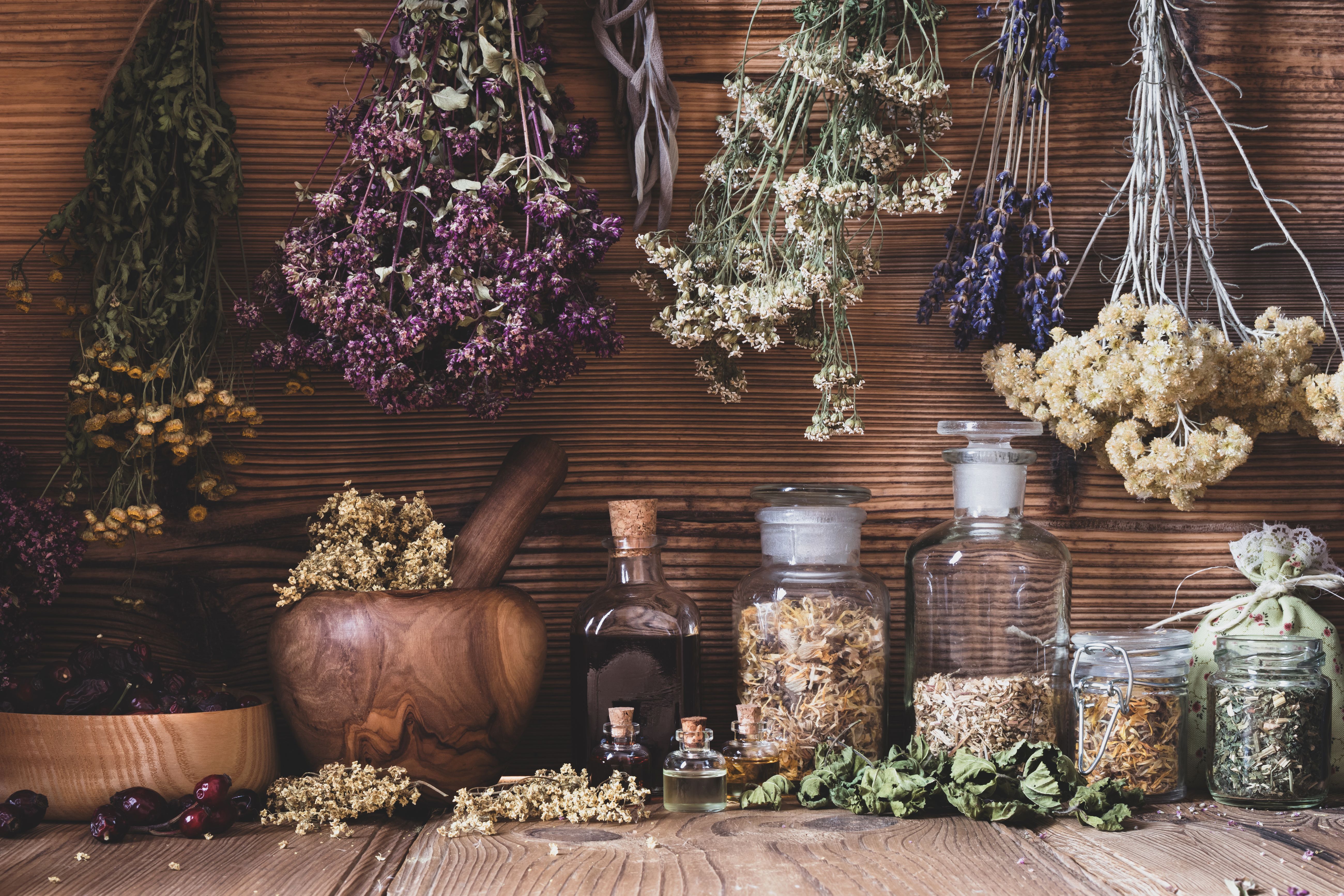
Herbal teas have been used for centuries as a natural remedy for various ailments. They offer a gentle way to alleviate some of the uncomfortable symptoms associated with menopause. Here are some of the benefits:
- Relief from Hot Flashes: Certain herbs, like black cohosh and sage, are known for their ability to reduce the frequency and intensity of hot flashes.
- Improved Sleep: Chamomile and valerian root are popular choices for promoting relaxation and better sleep quality.
- Emotional Balance: Herbs like lavender and lemon balm can help stabilize mood swings and reduce anxiety.
Incorporating these herbal teas into your daily routine can be a simple yet effective way to manage menopause symptoms naturally.
Popular Herbal Teas for Menopause
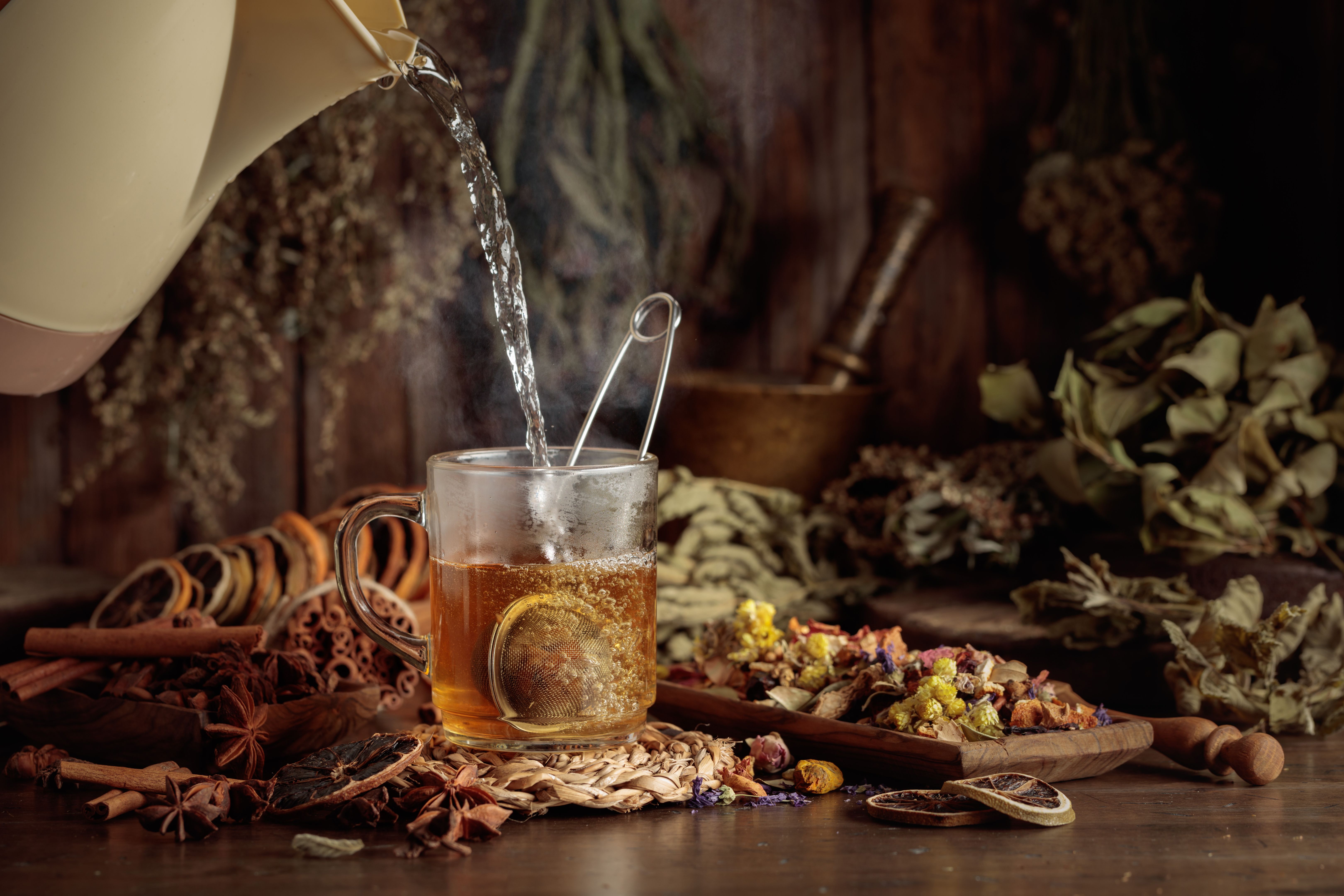
Let's take a closer look at some of the most popular herbal teas that serve as allies during menopause:
Sage Tea
Sage tea is renowned for its ability to reduce hot flashes and excessive sweating. Its cooling properties make it an excellent choice for women experiencing these common menopausal symptoms.
Red Clover Tea
Red clover contains phytoestrogens, which mimic estrogen in the body. This can help balance hormone levels and alleviate symptoms such as hot flashes and night sweats.
Incorporating Herbal Teas into Your Routine
Adding herbal teas to your daily routine is simple and enjoyable. Here are some tips on how to incorporate them effectively:
- Select the Right Tea: Choose teas that address your specific symptoms. For instance, if you're struggling with sleep, opt for chamomile or valerian root.
- Consistency is Key: Drink your chosen herbal tea regularly to experience its full benefits. Consistency helps in managing symptoms more effectively.
- Create a Relaxing Ritual: Make tea time a calming ritual by setting aside time each day to relax and enjoy your cup of tea.
By incorporating these practices, you can enhance the soothing effects of herbal teas and make your menopause journey more manageable.
Consulting Healthcare Professionals
While herbal teas are generally safe, it's important to consult with a healthcare professional before starting any new treatment, especially if you are taking other medications or have underlying health conditions. A healthcare provider can guide you on the best choices based on your individual needs.
With the right guidance, herbal teas can be a natural ally in your menopause journey, offering relief and comfort as you navigate this significant life transition.